Gestational diabetes is a type of high blood sugar that develops during pregnancy in people who did not have diabetes before. Pregnancy hormones can make it harder for the body to use insulin effectively. With proper screening, monitoring, and treatment, most patients with gestational diabetes go on to have healthy pregnancies and healthy babies.
What Is Gestational Diabetes?
During pregnancy, the placenta produces hormones that help your baby grow. Some of these hormones also reduce the effectiveness of insulin. Doctors call this insulin resistance.
For many pregnant patients, the pancreas responds by producing more insulin. However, some people cannot make enough insulin to keep their blood sugar within a healthy range. When blood sugar rises during pregnancy, doctors may diagnose gestational diabetes.
Gestational diabetes usually develops during the second half of pregnancy, most often between 24 and 28 weeks. Blood sugar often returns to normal after delivery. However, having gestational diabetes does increase your risk of developing type 2 diabetes later in life.
Gestational Diabetes Care in Lancaster County
Patients throughout Lancaster County and the greater Reading area turn to Lancaster Maternal Fetal Medicine for gestational diabetes care and monitoring.
A gestational diabetes diagnosis can affect your ultrasound schedule, blood sugar monitoring, delivery planning, and postpartum follow-up. Our maternal fetal medicine specialists work alongside your existing OB or midwife, so you can receive advanced pregnancy care without changing your primary provider.
With locations serving Lancaster County and the Reading area, our team can provide specialist-level monitoring closer to home.
What Causes Gestational Diabetes?
Pregnancy hormones naturally make the body more resistant to insulin. Anyone can develop gestational diabetes, but several factors can increase your risk.
- Being overweight or having obesity before pregnancy
- Having a family history of type 2 diabetes
- Having gestational diabetes during a previous pregnancy
- Being over age 35
- Having polycystic ovary syndrome (PCOS)
- Having other medical or pregnancy-related risk factors identified by your care team
Gestational diabetes can also develop in people who have none of these risk factors. For that reason, providers recommend routine screening for most pregnant patients.
How Is Gestational Diabetes Diagnosed?
Most patients receive gestational diabetes screening between 24 and 28 weeks of pregnancy.
The first screening often involves a glucose challenge test. You drink a glucose-containing liquid, then have your blood drawn about one hour later. If your blood sugar level is higher than the recommended range, your provider may order a longer glucose tolerance test.
The glucose tolerance test measures how your body processes sugar over several hours and can help confirm a gestational diabetes diagnosis.
Patients with certain risk factors may receive screening earlier in pregnancy. Early testing can help your care team identify high blood sugar and begin treatment sooner when needed.
How Is Gestational Diabetes Managed?
A gestational diabetes diagnosis can feel overwhelming at first. Fortunately, doctors can often manage the condition effectively with nutrition changes, activity, blood sugar monitoring, and medication when needed.
Nutrition Changes
Your care team may recommend working with a dietitian or diabetes educator. A balanced eating plan can help keep blood sugar levels steady throughout the day.
Rather than eliminating carbohydrates completely, the goal usually involves balancing carbohydrates with protein, fiber, and healthy fats while paying attention to portion sizes and meal timing.
Blood Sugar Monitoring
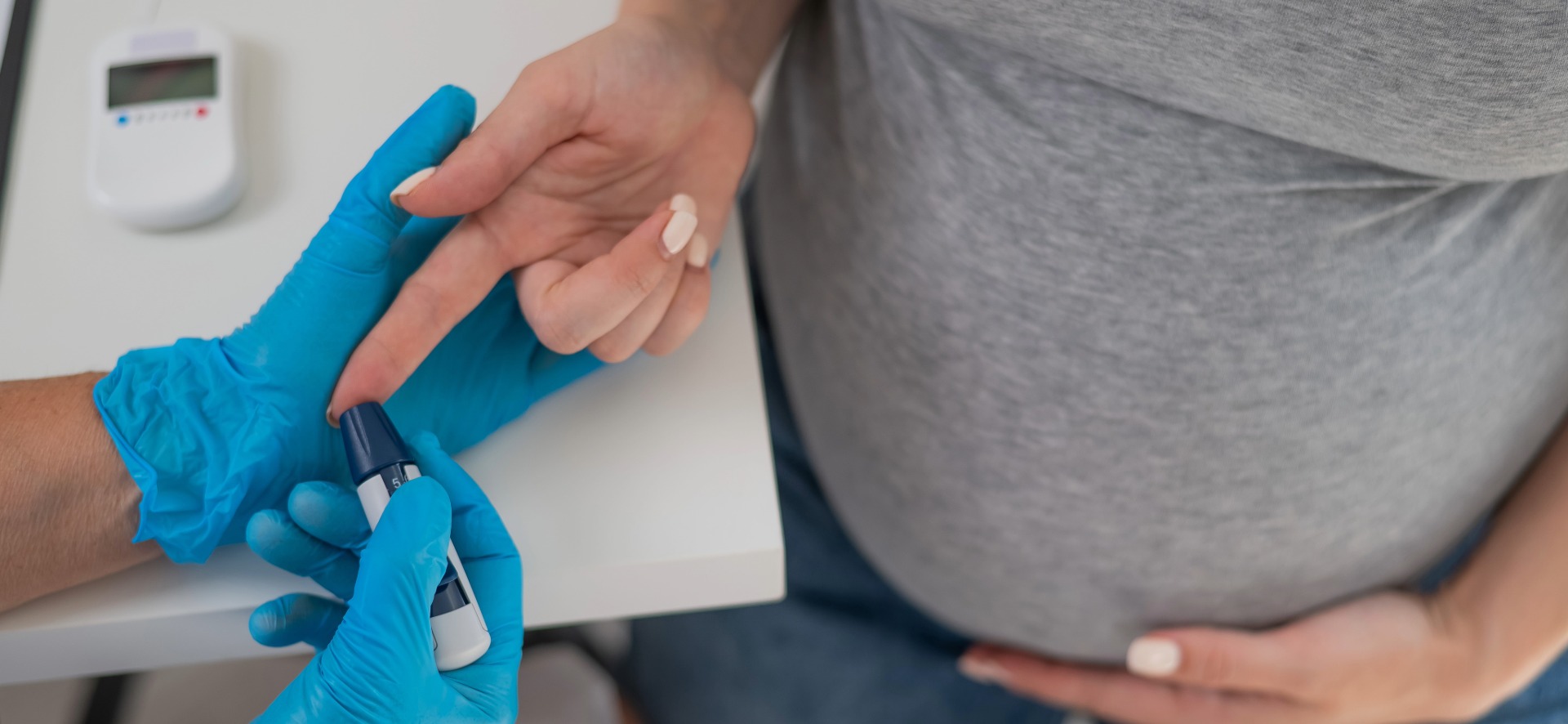
Many patients check their blood sugar several times each day with a glucose meter. Your care team may ask you to track fasting blood sugar in the morning and your levels after meals.
Common blood sugar targets during pregnancy include:
| When You Check | Typical Target Blood Sugar |
|---|---|
| Fasting, before eating | Below 95 mg/dL |
| 1 hour after a meal | Below 140 mg/dL |
| 2 hours after a meal | Below 120 mg/dL |
Your provider will tell you which targets are appropriate for your pregnancy. Individual recommendations can vary based on your health and treatment plan.
Physical Activity
Physical activity can help your body use insulin more effectively. If your pregnancy care team says exercise is safe for you, activities such as walking after meals may help improve blood sugar control.
Always follow your provider’s recommendations before beginning or changing an exercise routine during pregnancy.
Medication When Needed
Some patients need medication in addition to nutrition changes and physical activity. Your provider may recommend insulin or another medication if blood sugar levels remain above the target range.
Needing medication does not mean that you failed to manage your pregnancy correctly. Gestational diabetes develops because of changes in the body during pregnancy, and some patients simply need additional treatment to keep their blood sugar controlled.
Additional Pregnancy Monitoring
Your care team may recommend additional prenatal visits or ultrasounds after a gestational diabetes diagnosis. These appointments allow your providers to monitor your baby’s growth and overall well-being.
When blood sugar remains too high, extra glucose can cross the placenta. This may cause a baby to grow larger than expected, a condition known as macrosomia.
A larger baby can increase the risk of a difficult delivery, birth injury, or C-section. Babies born to patients with gestational diabetes may also experience low blood sugar after birth.
Consistent monitoring and treatment can significantly reduce these risks.
Risks of Unmanaged Gestational Diabetes
Gestational diabetes can increase pregnancy risks when blood sugar remains consistently high.
For the baby, high blood sugar can contribute to excessive growth, which may make delivery more difficult. It can also increase the risk of premature delivery, birth complications, or low blood sugar shortly after birth.
For the pregnant patient, gestational diabetes can increase the risk of high blood pressure and preeclampsia.
These risks are one reason regular blood sugar monitoring and prenatal care are so important. Keeping glucose levels within your recommended range can improve outcomes for both you and your baby.
Diagnosed with gestational diabetes or concerned that you may be at risk? Schedule a consultation with Lancaster Maternal Fetal Medicine to discuss a monitoring and treatment plan designed around you and your baby.
The Lancaster MFM Approach
At Lancaster Maternal Fetal Medicine, we tailor gestational diabetes care to each patient rather than using a one-size-fits-all approach.
Your care may include additional ultrasound monitoring, help reviewing your glucose readings, and recommendations based on how well your blood sugar responds to treatment.
Our maternal fetal medicine specialists also communicate directly with your OB or midwife. This coordinated approach helps everyone involved in your pregnancy stay informed about your health, your baby’s growth, and your delivery plan.
If you received a gestational diabetes diagnosis elsewhere and want another experienced opinion, our team also welcomes patients seeking a second opinion.

Frequently Asked Questions About Gestational Diabetes
Does gestational diabetes mean I did something wrong during pregnancy?
No. Gestational diabetes develops because pregnancy hormones affect how your body uses insulin. It does not mean that you caused the condition by eating the wrong foods or making poor choices.
Gestational diabetes can develop even in patients who eat well, exercise regularly, and had no known diabetes risk factors before pregnancy.
Will gestational diabetes go away after I deliver?
For most patients, blood sugar levels return to normal after delivery. However, your provider will usually recommend follow-up testing after pregnancy to make sure your blood sugar has returned to a healthy range.
Because gestational diabetes increases your future risk of type 2 diabetes, your primary care provider may also recommend ongoing diabetes screening in the years after pregnancy.
Can I still have a vaginal delivery with gestational diabetes?
Yes. Many patients with gestational diabetes have vaginal deliveries.
Gestational diabetes alone does not automatically require a C-section. Your delivery plan will depend on several factors, including your blood sugar control, your baby’s estimated size, your pregnancy history, and your overall health.
Will I need insulin if I have gestational diabetes?
Not necessarily. Many patients can manage gestational diabetes with nutrition changes, physical activity, and regular blood sugar monitoring.
However, some patients need insulin or another medication to reach their recommended blood sugar targets. Your provider will determine whether medication is appropriate based on your glucose readings.
Does gestational diabetes mean my baby will have diabetes?
No. Gestational diabetes does not mean your baby will be born with diabetes.
However, both you and your child may have a higher risk of developing type 2 diabetes later in life. Healthy lifestyle habits and appropriate follow-up care can help lower that risk.
If you have been diagnosed with gestational diabetes or have risk factors you would like to discuss, schedule a consultation with Lancaster Maternal Fetal Medicine. Our specialists work closely with your existing OB or midwife to provide attentive, coordinated care throughout your pregnancy.