If your baby is measuring small in Reading, a follow-up ultrasound can help clarify what the result means. Some babies are naturally small and healthy. Others may have fetal growth restriction, which needs closer monitoring. The next step is to review the measurements, your pregnancy history, and any signs that the placenta needs more attention.
Why Is My Baby Measuring Small in Reading?
Growth ultrasound estimates a baby’s size using several measurements, often including the head, abdomen, and thigh bone. A computer uses those measurements to calculate an estimated fetal weight.
Your clinician then compares that estimate with a reference range for your baby’s gestational age. This comparison produces a percentile. For example, the tenth percentile means a baby’s estimated size is smaller than about 90 percent of babies at the same gestational age.
However, a percentile is not a grade. It also does not predict your child’s future health or development. Your care team uses the result as one part of a broader assessment.
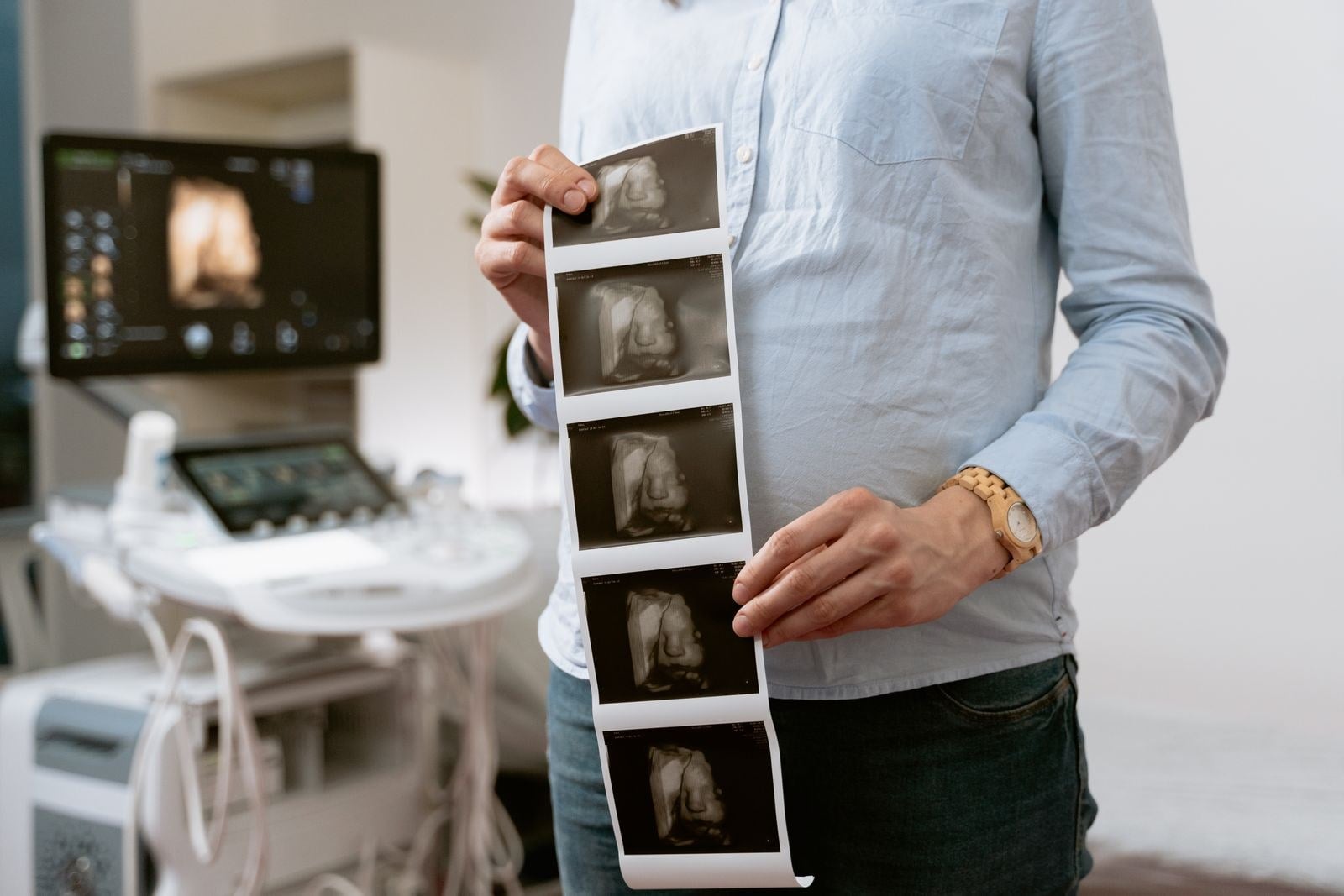
What Is Fetal Growth Restriction?
Fetal growth restriction, or FGR, describes a baby that may not be reaching expected growth potential. Clinicians often consider FGR when estimated fetal weight or abdominal circumference falls below the tenth percentile.
Yet being small is not always the same as being growth restricted. Family traits, measurement variation, gestational dating, and placental function all influence the interpretation.
The Society for Maternal-Fetal Medicine’s fetal growth restriction guidance outlines how clinicians evaluate findings and choose appropriate surveillance. Your specialist will explain how those recommendations apply to your pregnancy.
Small for Gestational Age Versus Growth Restriction
These terms sometimes appear together, but they are not identical. “Small for gestational age” describes size relative to a reference. “Fetal growth restriction” raises concern that growth may be limited by an underlying problem.
A specialist may look at changes over time, Doppler blood-flow findings, and other clinical details. Those findings can help distinguish a naturally small baby from a baby who needs more monitoring.
What Happens at a Growth Ultrasound?
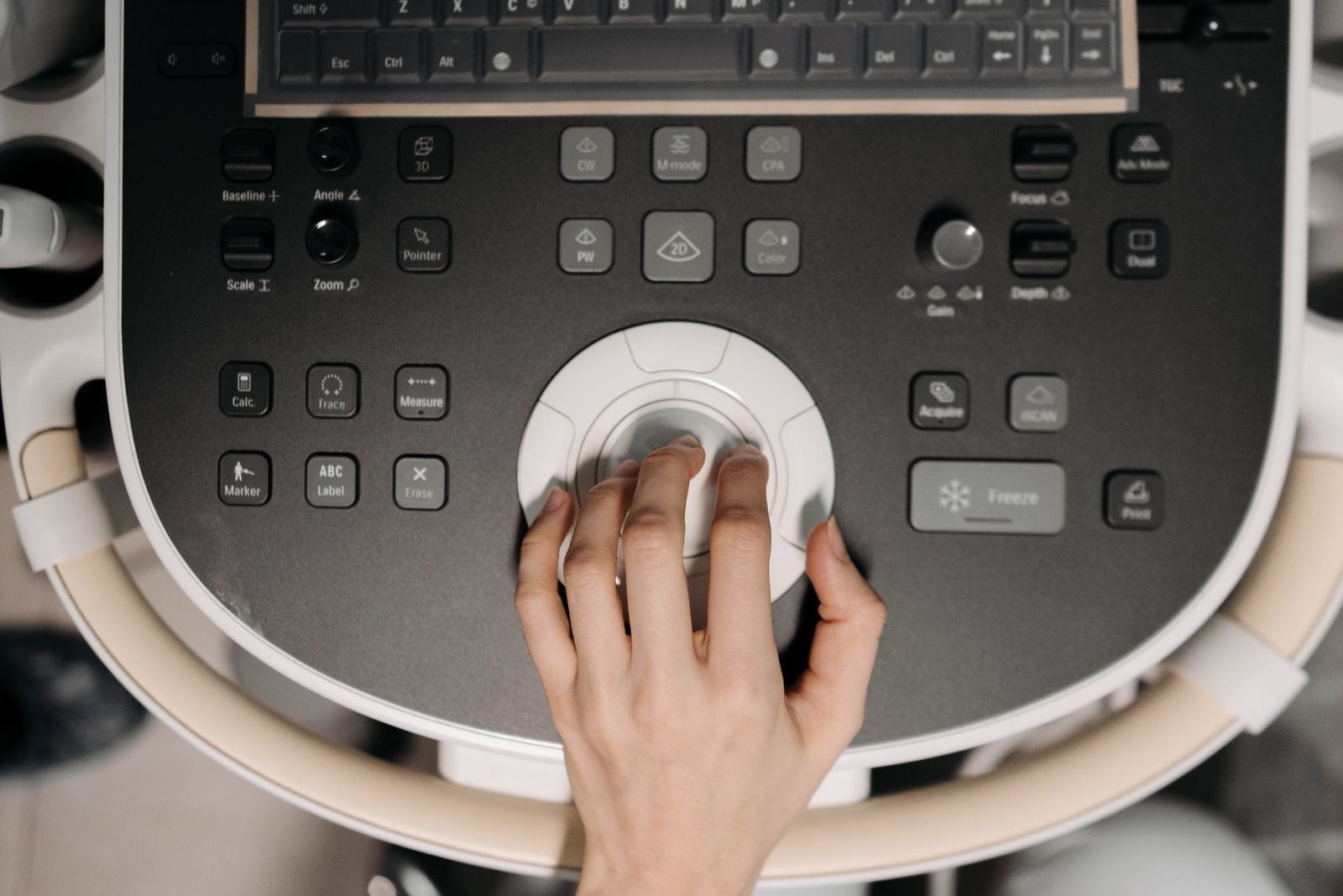
A sonographer uses ultrasound to measure fetal structures and assess development. The exam may also look at amniotic fluid and other findings relevant to your pregnancy.
Why Repeat Scans Matter
A single scan gives a useful snapshot. However, repeated measurements separated by an appropriate interval can show how growth changes. Measurements taken too close together may be less informative because ultrasound estimates have normal variability.
Your care team determines when another scan makes sense. You should not schedule extra scans on your own to chase a particular number.
When Doppler Ultrasound Is Used
If clinicians suspect FGR, they may recommend Doppler evaluation of blood flow in the umbilical artery. This helps assess placental circulation and can guide monitoring.
The American College of Obstetricians and Gynecologists’ FGR bulletin describes how specialists use diagnostic and surveillance tools. Depending on your case, your team may also recommend fetal heart-rate monitoring.
Does a Small Baby Mean Early Delivery?
Not always. Some pregnancies continue with close monitoring and later delivery. In other situations, the care team may recommend delivering earlier because remaining pregnant presents greater risks.
Timing depends on gestational age, estimated size, blood-flow results, maternal conditions, and fetal testing. Therefore, there is no safe one-size-fits-all delivery date for a small baby.
Your primary obstetric team remains responsible for delivery planning. Maternal-fetal medicine specialists can support decisions through consultation and advanced testing.
Specialized Ultrasound Care in the Reading Area
Lancaster MFM has a Reading-area location at 2208 Quarry Drive, Suite 207, in West Lawn. The practice also sees families at 2568 Lititz Pike in Lancaster.
We work with patients who have both routine and high-risk pregnancies. Our sonographers and maternal-fetal medicine specialists use advanced imaging to give families clear information. Just as importantly, we coordinate findings with the OB/GYN or midwife managing delivery.
Learn more about our routine ultrasound scans and broader specialized pregnancy services. If you have questions about an outside growth scan, discuss the report with your clinician and ask whether a specialist review may help.
What Questions Should You Ask?
Bring any previous ultrasound reports and your due-date information when available. You may also want to ask whether your baby’s estimated weight or abdominal measurement is concerning, and whether Doppler testing is needed.
Ask when you should return, what symptoms require a call, and which provider will discuss the results with you. A clear plan matters more than memorizing a percentile.
If your baby moves less than usual, contact your pregnancy care team promptly. Do not wait for the next ultrasound to report a change in movement.
Frequently Asked Questions About Growth Scans
Is the tenth percentile always dangerous?
No. Some babies near or below that percentile are healthy and naturally small. The overall clinical assessment determines how closely the pregnancy needs monitoring.
Can an ultrasound tell exactly how much my baby weighs?
No. Ultrasound provides an estimate, not an exact weight. Clinicians interpret it with expected measurement variation in mind.
Should I eat more to help my baby grow?
A balanced diet supports pregnancy health, but eating more does not necessarily correct FGR. Ask your care team about nutrition and the likely cause of the finding.
Can I keep seeing my regular OB/GYN?
Often, yes. Lancaster MFM commonly works alongside an existing OB/GYN or midwife rather than replacing that provider. Your team can coordinate a shared plan.
Answers That Make the Next Step Clear
Hearing that your baby is measuring small can bring uncertainty. At Lancaster MFM, we believe you deserve understandable answers and time to ask questions. Families in Reading, Wyomissing, West Reading, and surrounding Berks County communities can request an appointment or call 717-288-8118 to discuss a consultation.


